The Archive
Films, essays, glossaries, journeys, and guides — develop a collector's eye. The best purchases begin with understanding.
Featured
Inside Glasgow — Anordain at work
A morning in Lewis Heath's atelier — six craftsmen, vitreous enamel, and the rhythm of slow watchmaking.
The renaissance of independent makers — 2010 to 2026
How a generation of microbrands rewrote the rules of accessible mechanical watchmaking.
How to read a movement — a collector's introduction
Five movements every new collector should recognize, from ETA workhorses to in-house manufactures.
All Content
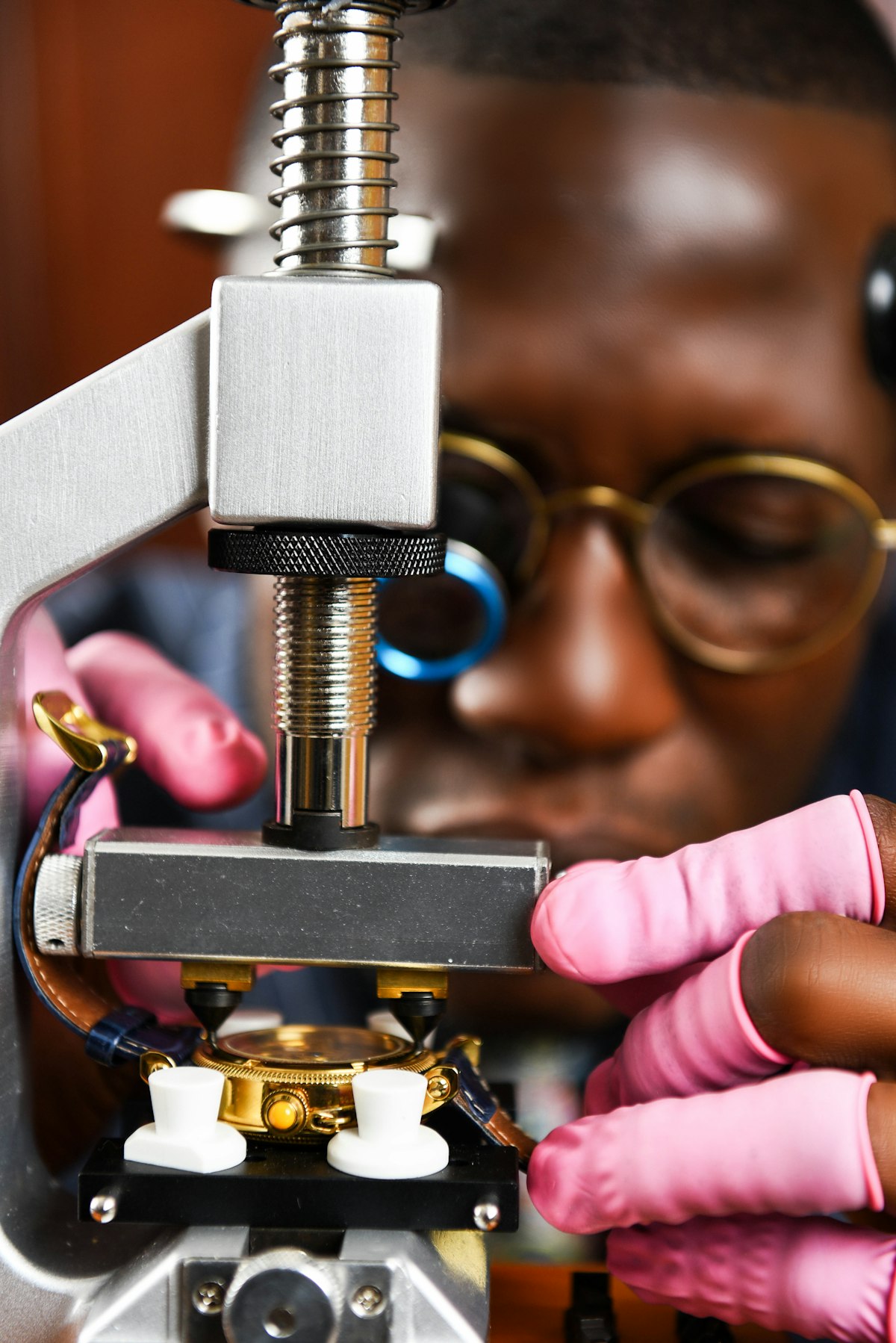
Inside Glasgow — Anordain at work
A morning in Lewis Heath's atelier — six craftsmen, vitreous enamel, and the rhythm of slow watchmaking.
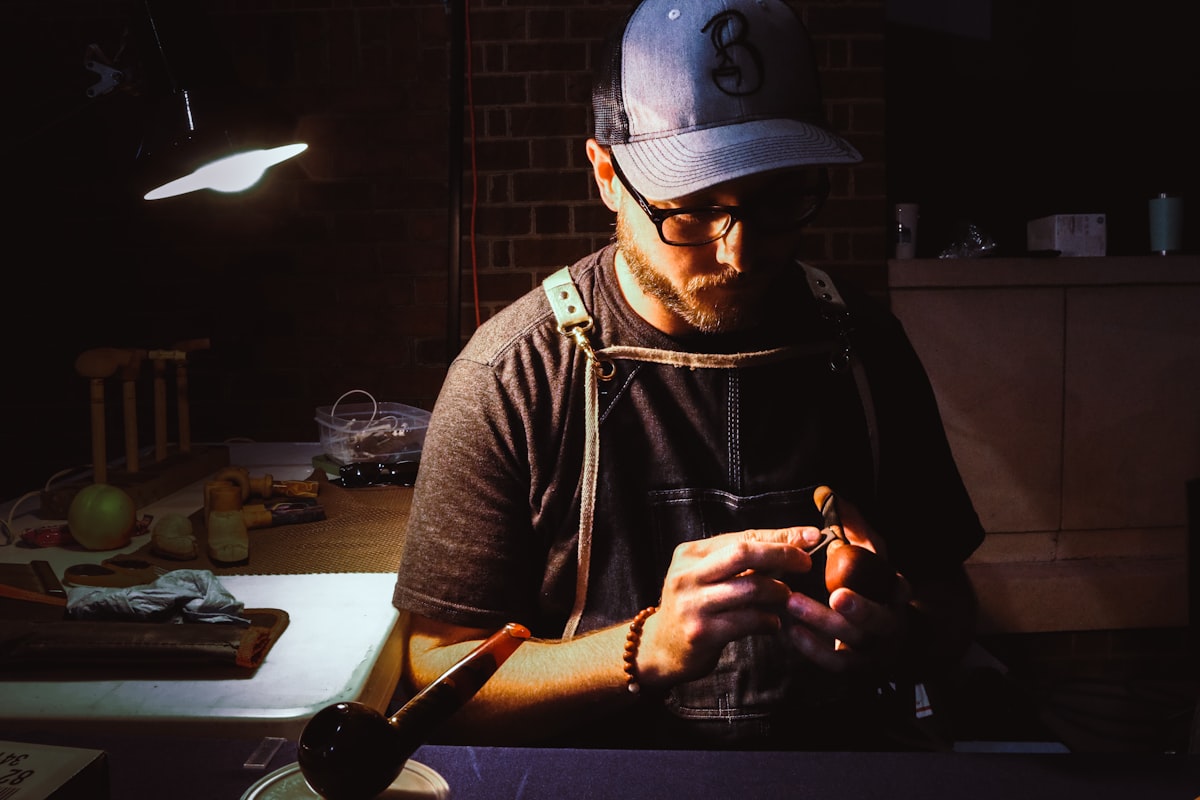
Baltic in Besançon — 35 years and counting
Étienne Malec on building Baltic in the French watchmaking capital.
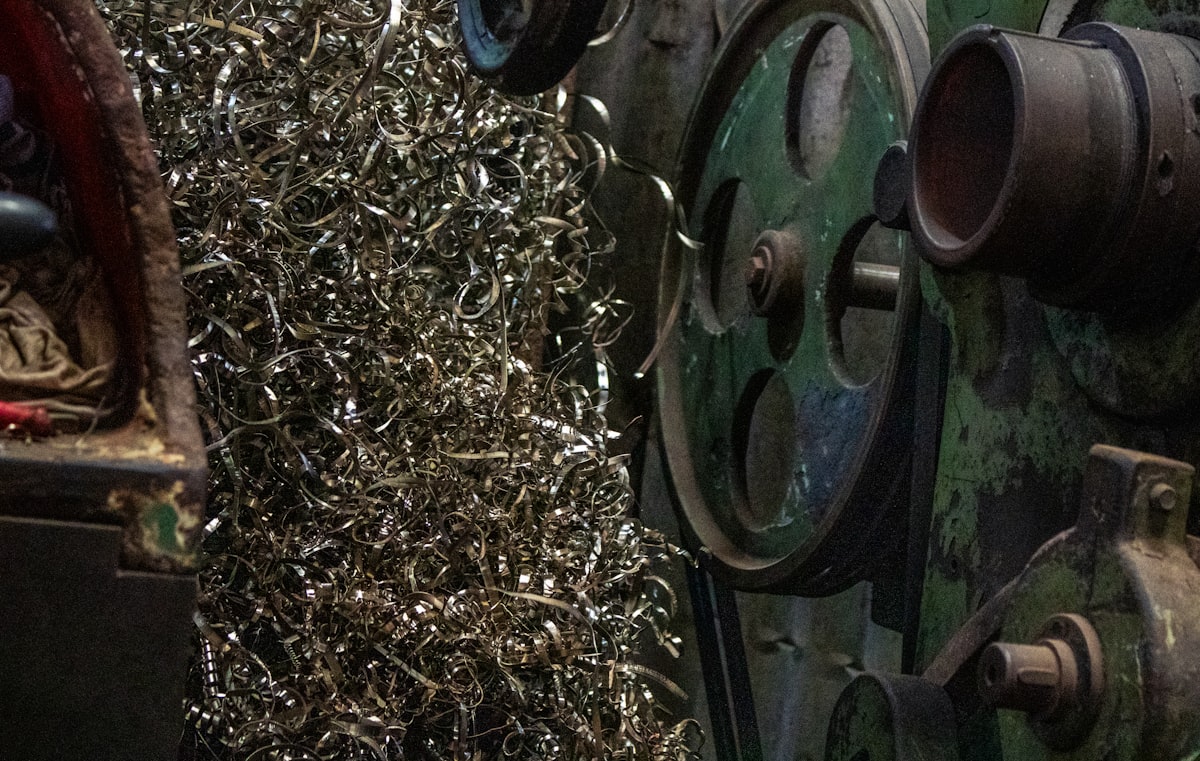
Awake — recycled steel from scrap to dial
Adrien Brincat's eco-conscious manufacture process, filmed at the source.
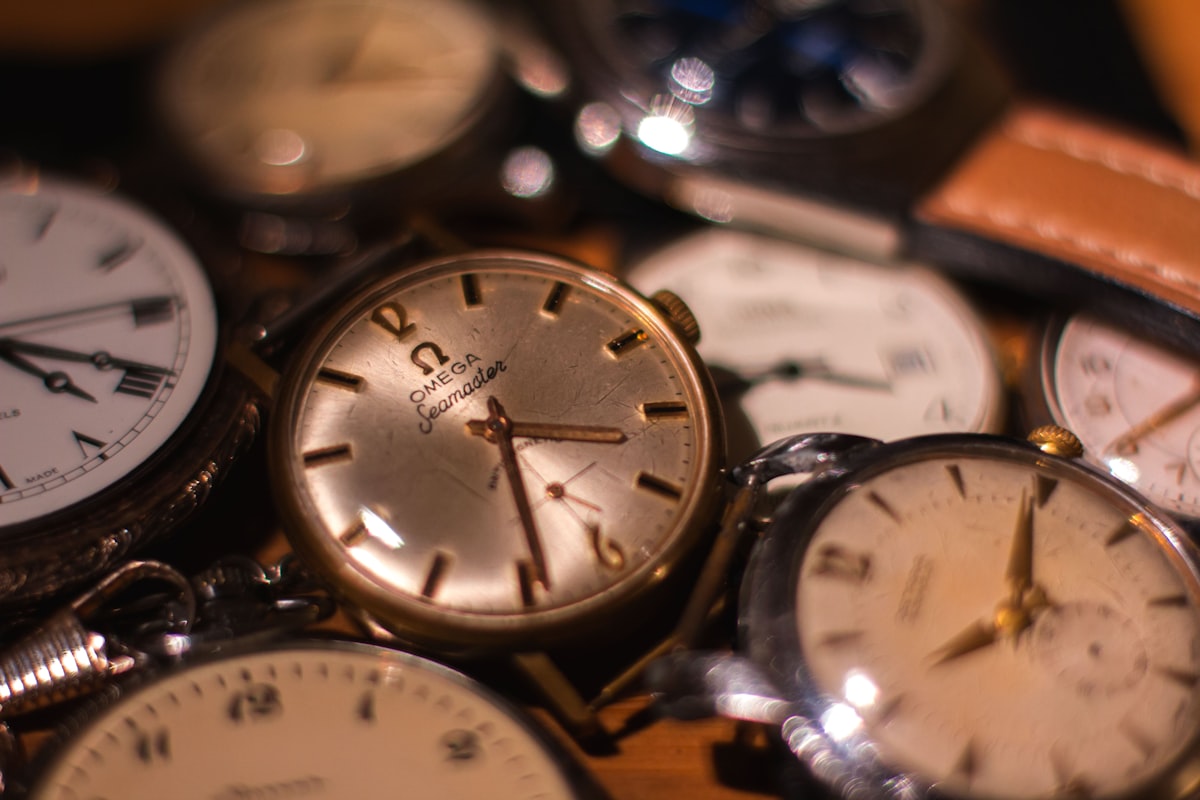
The renaissance of independent makers — 2010 to 2026
How a generation of microbrands rewrote the rules of accessible mechanical watchmaking.

Grand feu enamel — why most factories abandoned it
The 800°C process, the failure rate, and why only a handful of ateliers still pursue this dying craft.

Why Swiss-Made matters less than you think
The geography of independent watchmaking has shifted — Glasgow, Worthing, Besançon, La Chapelle-sur-Erdre.
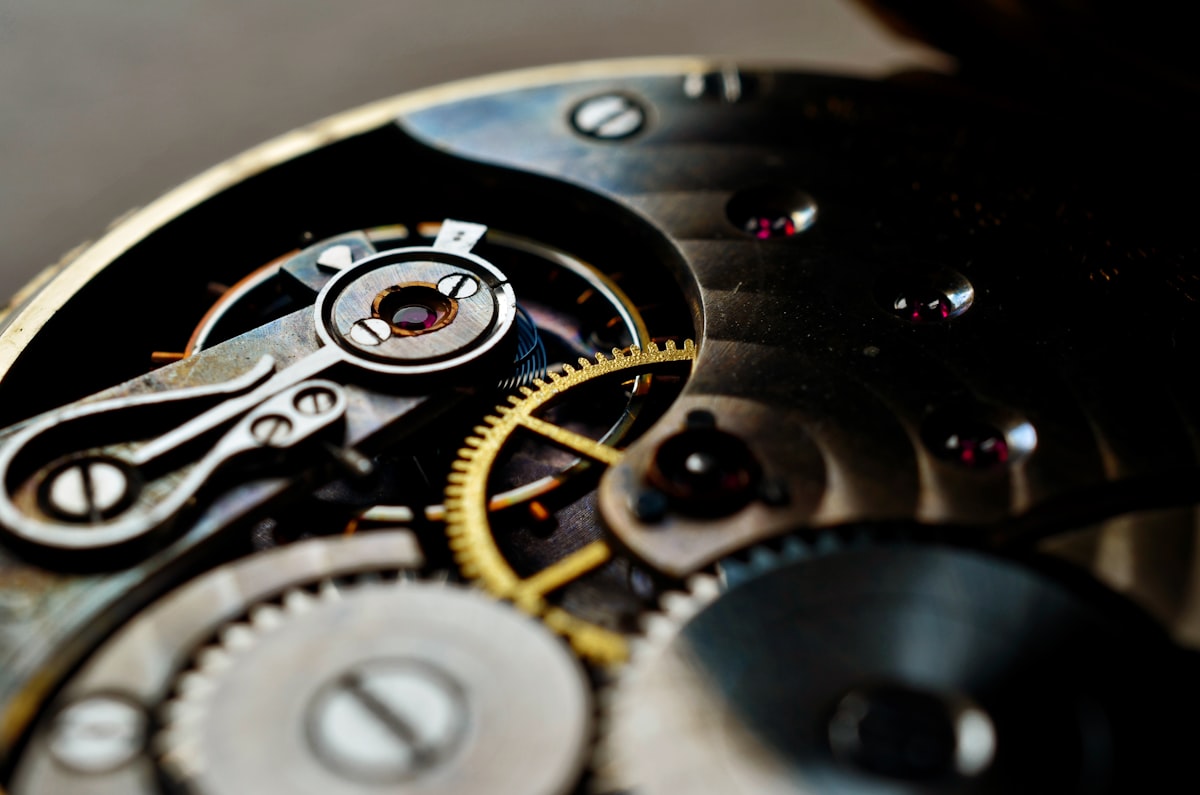
How to read a movement — a collector's introduction
Five movements every new collector should recognize, from ETA workhorses to in-house manufactures.
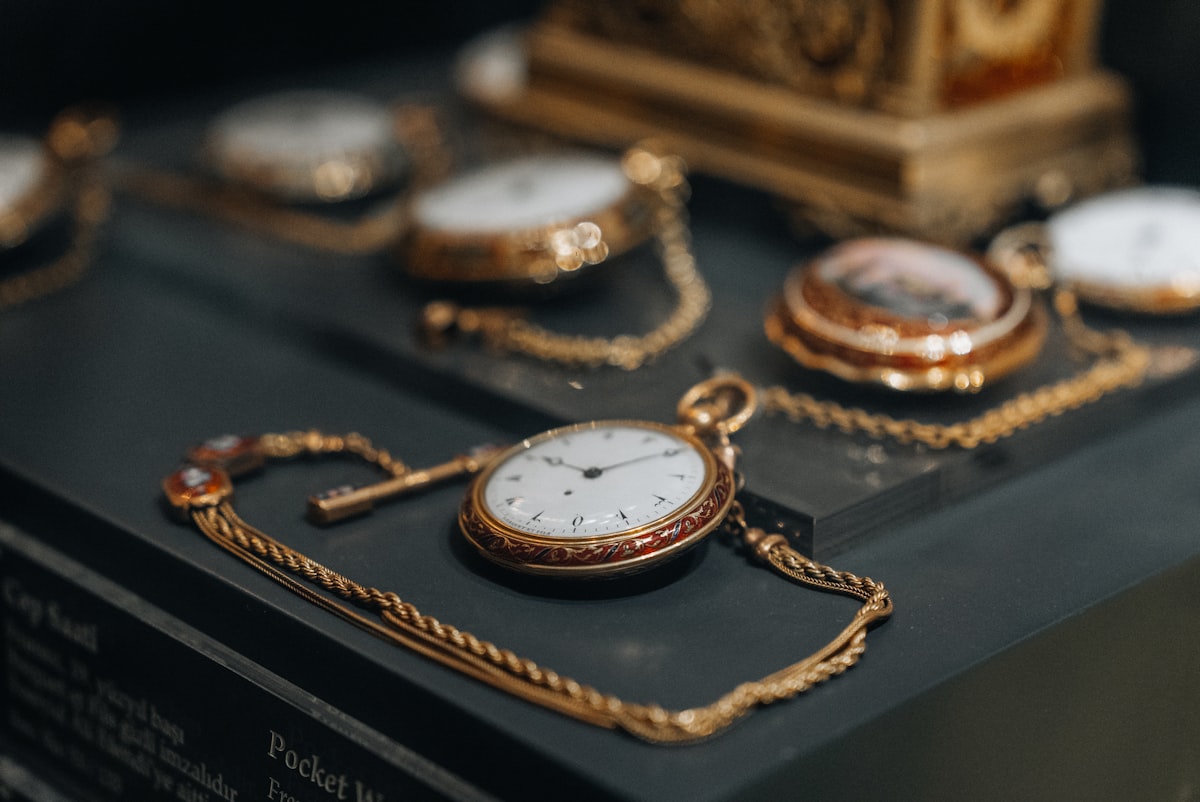
Your first independent watch — a buying guide
Six independent makers, six entry points. Where to start when £1,000–£3,000 is your budget.

Mechanical vs quartz — what actually matters
Beyond the marketing copy: the practical differences, durability, and why neither is inherently superior.
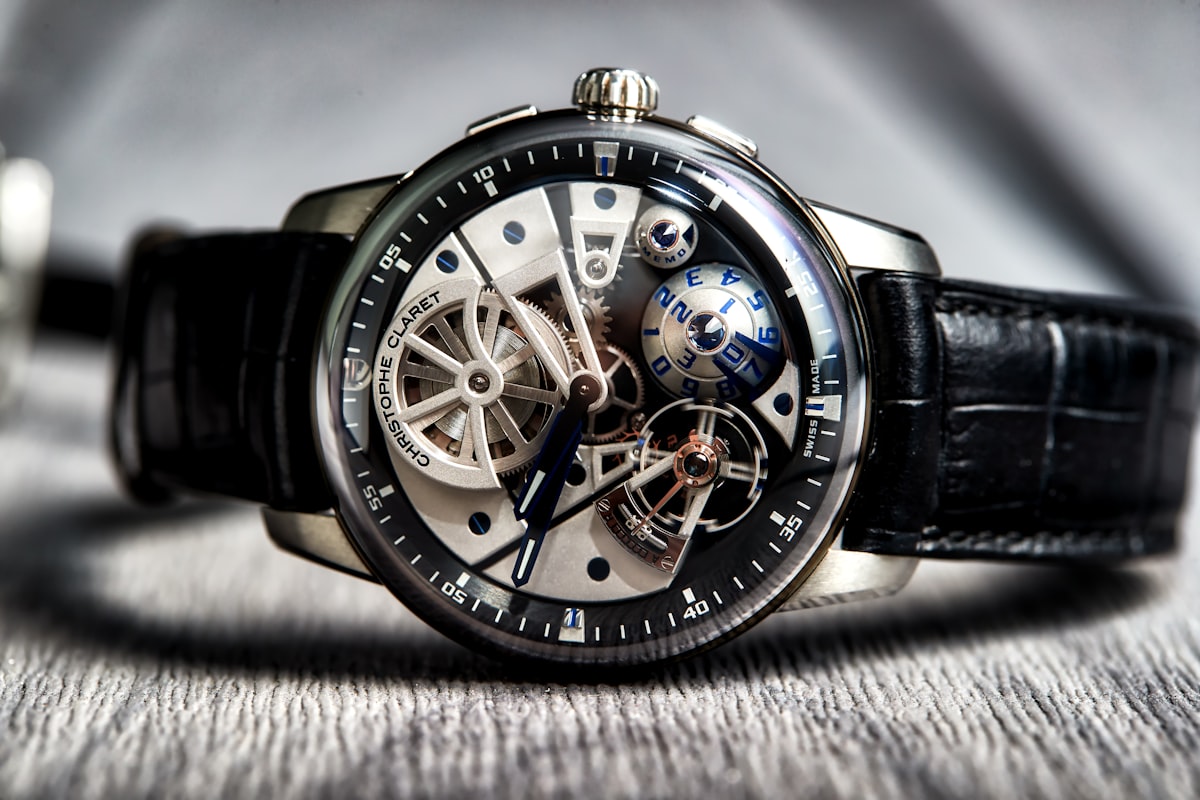
Tourbillon
A regulating mechanism rotating the escapement to counteract gravity. Invented 1801.
Grand feu enamel
Vitreous enamel fired at 800°C — the dial technique used by Anordain.
Movement complications
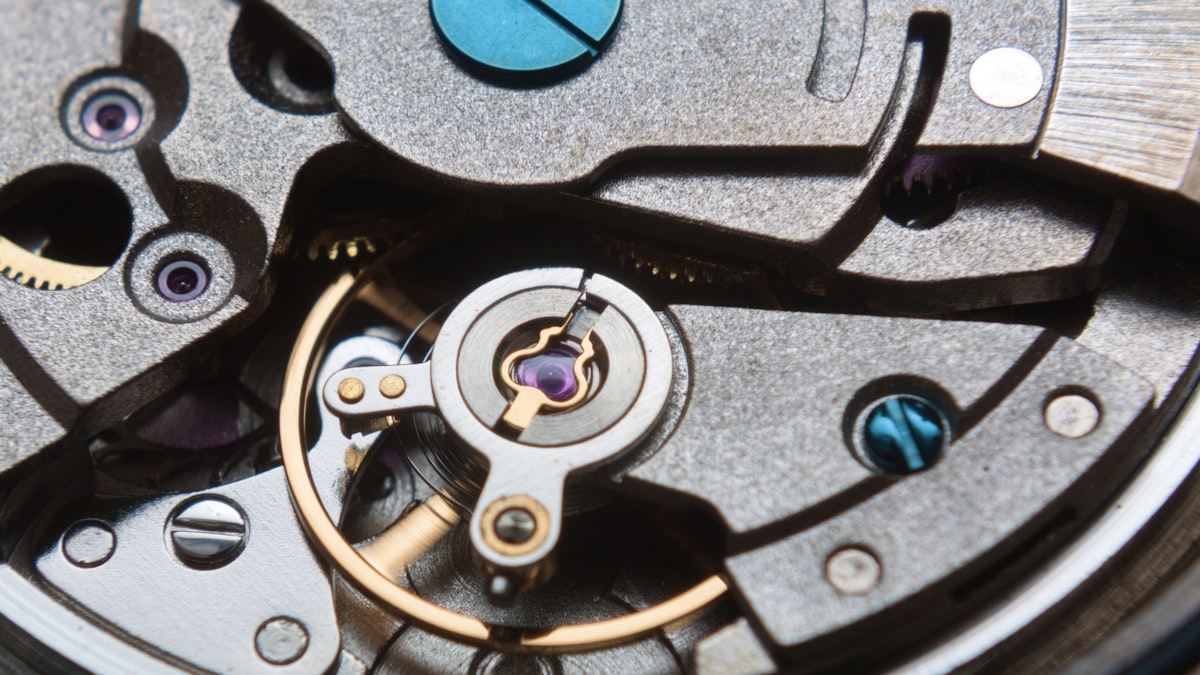
Functions beyond hours/minutes/seconds — chronograph, perpetual calendar, moonphase, GMT, repeater.
Power reserve
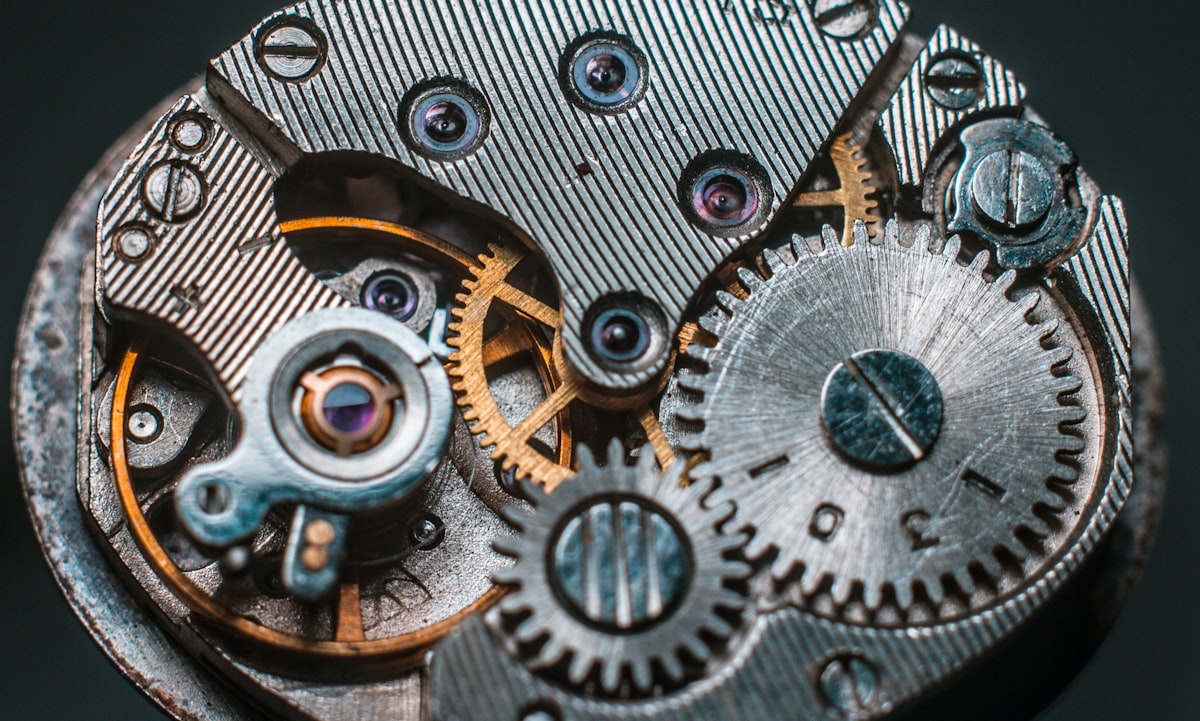
Time a watch runs without winding — typically 40h to 80h on modern mechanical movements.